
Condo Parking Rules and Regulations
Parking in a condominium community can be one of the most challenging aspects of shared living. With limited spaces, guest parking concerns, and the need for fair enforcement, well-established condo parking rules and regulations are essential. A properly managed parking system not only prevents disputes but also ensures safety, protects property values, and improves the overall living experience.
This guide covers everything you need to know about condominium parking control, from understanding why rules exist to enforcing them and using technology to improve parking management.
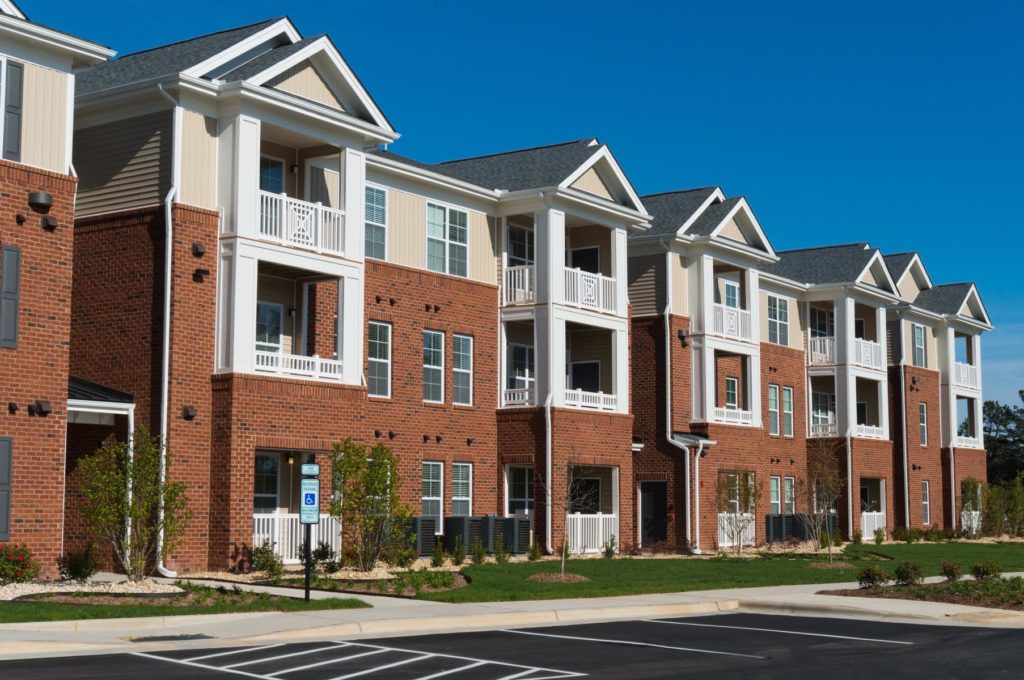
Why Do Condos Have Parking Rules?
Condominium parking rules exist to keep parking organized, ensure fairness among residents, and enhance security. Without clear policies, problems like unauthorized parking, blocked driveways, and safety hazards can occur.
Key Reasons for Condo Parking Rules:
- Limited Parking Spaces: Many condos have a set number of parking spaces, making it necessary to regulate how spaces are assigned and used to prevent overcrowding.
- Safety & Emergency Access: Fire lanes, walkways, and emergency access points must remain clear at all times to allow access for emergency responders.
- Preventing Unauthorized Vehicles: Without proper enforcement, residents or visitors may use condo parking areas to store abandoned cars, RVs, trailers, or commercial vehicles, causing congestion and reducing available space.
- Maintaining Property Values: A well-maintained parking area enhances curb appeal and property value, while a disorganized lot with unauthorized vehicles can create an eyesore.
- Reducing Resident Disputes: Clearly outlined condo parking space rules prevent conflicts between neighbors and ensure everyone understands where they can and cannot park.
Common Condo Parking Space Rules
While each condo community has its own parking rules, most communities follow some standard guidelines. These rules create a structured system that ensures parking is used properly and fairly.
Typical Condo Parking Space Rules Include:
- Resident Parking Permits: Residents may be required to apply for and display a parking permit issued by the condo association. Permits help ensure that only authorized vehicles use resident parking areas.
- Guest Parking Limits: Many condos have designated visitor parking spaces with strict time limits. Guests may need to register their vehicle with the property manager or use temporary parking permits.
- Assigned vs. Unassigned Spaces: Some condos provide reserved parking spaces for each unit, while others have an open, first-come, first-served system. Rules must clearly define whether spaces are assigned or shared.
- Commercial Vehicle Restrictions: Large work trucks, trailers, or vans may not be allowed to park overnight in condo parking areas to prevent commercial activity from interfering with residential living.
- Deeded or Leased Parking Units: In some condos, parking spaces are bought or leased separately from the unit, giving owners the option to sell or rent their parking spot independently.
These rules help keep condo parking structured and prevent unnecessary conflicts between residents.
Visitor Parking: Managing Access and Fair Use
Why Designated Visitor Parking Matters
Without clear visitor parking rules, guests may end up taking spots meant for residents, leading to frustration and parking violations. Designated visitor spaces help keep things organized and ensure guests have a place to park without interfering with resident access.
How Condos Manage Visitor Parking
To prevent misuse, many condominium associations use visitor parking systems such as:
- Permit System: Guests display a temporary parking pass registered to a specific unit.
- Time-Limited Parking: Visitor spots have set time limits (typically 24 to 72 hours) to prevent long-term use.
- Digital Registration: Residents log visitor details through an online system or mobile app for easy tracking.
- Security Oversight: Some condos use guards or surveillance cameras to monitor visitor parking areas.
Having a clear enforcement policy is key. Without monitoring, visitor parking can be easily abused, leading to frustration among residents.
Balancing Visitor Access with Resident Parking Rights
While visitor parking is necessary, it shouldn’t interfere with residents’ right to reliable parking. Condo boards can implement policies such as:
- Unit-Based Visitor Limits: Each unit can only use a limited number of visitor spaces at a time.
- Overnight Guest Permits: Requiring special permits for guests staying overnight to prevent long-term parking issues.
- Enforced Violations: Fines or towing for unauthorized vehicles ensure compliance.
With clear guidelines, fair enforcement, and good communication, condos can reduce parking conflicts and make sure both visitors and residents have a fair system in place.
Setting Rules for Vehicle Types and Sizes
Why Vehicle Size Restrictions Are Necessary
Condo parking spaces have fixed dimensions, and not all vehicles fit comfortably within those limits. Most residential parking spaces measure between 8.5 to 9 feet wide and 16 to 18 feet long, which is suitable for sedans, SUVs, and small trucks. However, extended pickup trucks, vans, and oversized vehicles can encroach on neighboring spots and block traffic flow.
Many condos set size restrictions to ensure all vehicles fit properly. Some common rules include:
- Height Limits: Garages often cap vehicle height at 6.5 to 7 feet to prevent oversized trucks from getting stuck.
- Length Limits: Long vehicles may not fit safely within a standard space.
- Weight Restrictions: Heavy-duty trucks could damage garage floors and ramps.
Managing Oversized and Commercial Vehicles
Many condo boards limit large vehicles, RVs, and commercial trucks to keep parking organized. These policies are typically outlined in condo bylaws and may include:
- No Commercial Vehicles: Work trucks and vans may be banned unless they belong to service providers performing temporary work on-site.
- Oversized Vehicle Zones: Large SUVs and trucks may be directed to overflow parking areas rather than standard spaces.
- No RVs or Trailers: Many condos prohibit long-term storage of recreational vehicles to maintain a residential atmosphere.
To enforce these rules, condos may issue violation notices, fines, or tow non-compliant vehicles. For residents with oversized vehicles, alternative off-site storage options may be necessary.
Ensuring Accessibility and ADA Compliance in Condo Parking
Understanding Legal Requirements for Accessible Parking
“Federal laws like the Fair Housing Act and the Americans with Disabilities Act require you to accommodate disabled residents,” explains Condominium Associates. Condo parking lots must comply with these requirements to ensure equal access for residents and visitors with disabilities. The law requires a minimum number of accessible parking spaces based on total lot capacity.
For example:
- Parking lots with 1 to 25 spaces must have at least one accessible spot.
- Lots with 26 to 50 spaces require at least two accessible spots.
Each accessible parking space must meet specific size requirements:
- Standard accessible spaces must be at least 8 feet wide, with a 5-foot-wide access aisle.
- Van-accessible spaces must be 11 feet wide, or 8 feet if paired with an 8-foot access aisle.
- Proper signage featuring the International Symbol of Accessibility must be visible at all times.
Why ADA Compliance Matters for Condo Communities
Not following ADA guidelines can result in serious legal and financial consequences. The Department of Justice can fine condo associations up to $75,000 for a first offense and $150,000 for repeat violations.
Beyond legal risks, ensuring proper accessibility benefits the entire community. Residents and visitors with mobility challenges should be able to park safely and enter the property without barriers. Features like the following make a big difference for those who rely on accessible parking:
- Clear pathways and well-marked spaces
- Curb ramps for easy entry
- Adequate lighting for nighttime visibility
Best Practices for Maintaining Accessible Parking
To stay compliant and create an inclusive environment, condos should:
- Conduct Regular Inspections: Monthly checks ensure spaces are properly marked and free of obstacles.
- Refresh Painted Lines and Signage: Faded markings can cause confusion and lead to unauthorized parking.
- Strictly Enforce Accessible Parking Rules: Ensure designated spaces are used only by those who need them.
- Maintain Good Lighting: Well-lit accessible spaces improve safety and visibility at night.
- Gather Resident Feedback: Ask those who rely on accessible parking how it can be improved.
Keeping accessible parking in good condition helps all residents and prevents potential legal problems.
Communicating Condo Parking Rules to Residents
Even the best condo parking space rules won’t be effective unless residents clearly understand them. Miscommunication can lead to frustration, violations, and unnecessary disputes.
Best Ways to Share Condo Parking Rules:
- Community Handbook & Website: Parking policies should be clearly outlined in the condo’s official documents, which are easily accessible online or in printed materials.
- Email & Text Alerts: Sending out regular updates and reminders about parking policies helps ensure compliance.
- Physical Signage: Well-placed signs remind residents and guests of parking rules, time limits, and restrictions.
- Resident Meetings & Announcements: Condo board meetings or community forums are a great way to address parking concerns and clarify policies.
- Immediate Violation Notices: If a vehicle is parked improperly, management should leave a notice on the windshield to inform the owner of the violation.
“It can be useful to have owners and residents sign documents stating that they have read, understand, and will follow the Association’s parking system,” adds Grant Property Management. Effective communication ensures that all residents understand and follow the condo parking rules.
Enforcing Condominium Parking Control
A well-defined enforcement strategy ensures that condo parking remains fair and organized. Without proper enforcement, even the best rules will be ignored.
How Condo Associations Can Enforce Parking Rules:
- Clear Signage: Properly placed signs prevent confusion and ensure that residents and guests are aware of parking restrictions.
- Warning System: A progressive enforcement approach (starting with verbal or written warnings before issuing fines or towing) helps maintain community goodwill.
- Fines & Penalties: If a resident repeatedly violates parking rules, the condo board may issue monetary fines to encourage compliance.
- Towing Policy: As a last resort, condo associations may tow illegally parked vehicles—but they must follow all local and state regulations when doing so.
A fair and consistent enforcement strategy ensures that parking remains accessible and organized for all residents.
How Technology Can Improve Condo Parking Management
Many condo communities are adopting condo parking solutions like digital permit systems and automated monitoring to simplify enforcement.
Benefits of Parking Management Software:
- Digital Parking Permits: Residents and guests can apply for and manage permits online, reducing paperwork and manual processing.
- Mobile Access: Managers and residents can track parking spaces in real-time from their smartphones.
- Automatic Monitoring: The system can scan parked cars and alert management to violations.
- Violation Tracking: Digital records make it easier to track repeat offenders and enforce rules fairly.
Using technology reduces the workload for condo associations while improving efficiency and compliance.
License Plate Recognition (LPR) for Secure Condo Parking
Some condominiums now use License Plate Recognition (LPR) systems to improve condo parking control. These automated systems scan and verify vehicles as they enter and exit, ensuring that only authorized cars are parked in the community. “Many businesses that use LPR technology seek a solution that’s flexible, customizable and designed to operate in almost any environment or weather condition,” explains SDM Magazine.
Why Condos Use LPR Technology:
- Better Security: Prevents unauthorized vehicles from parking in resident spaces.
- Less Manual Work: Reduces the need for staff to conduct manual parking checks.
- Instant Permit Verification: Ensures that only vehicles with valid permits can park in the lot.
- Digital Violation Tracking: Captures photo evidence of violations for easy enforcement.
LPR technology makes it easier for condo management to enforce parking rules efficiently and fairly.
The Bottom Line
A well-managed condo parking system is key to keeping residents happy, maintaining order, and preventing parking disputes. By having clear rules, strong enforcement, and modern technology, condominium communities can create a fair and organized parking environment for everyone.If your community struggles with parking issues, consider investing in a parking management solution to make things smoother, safer, and more efficient.